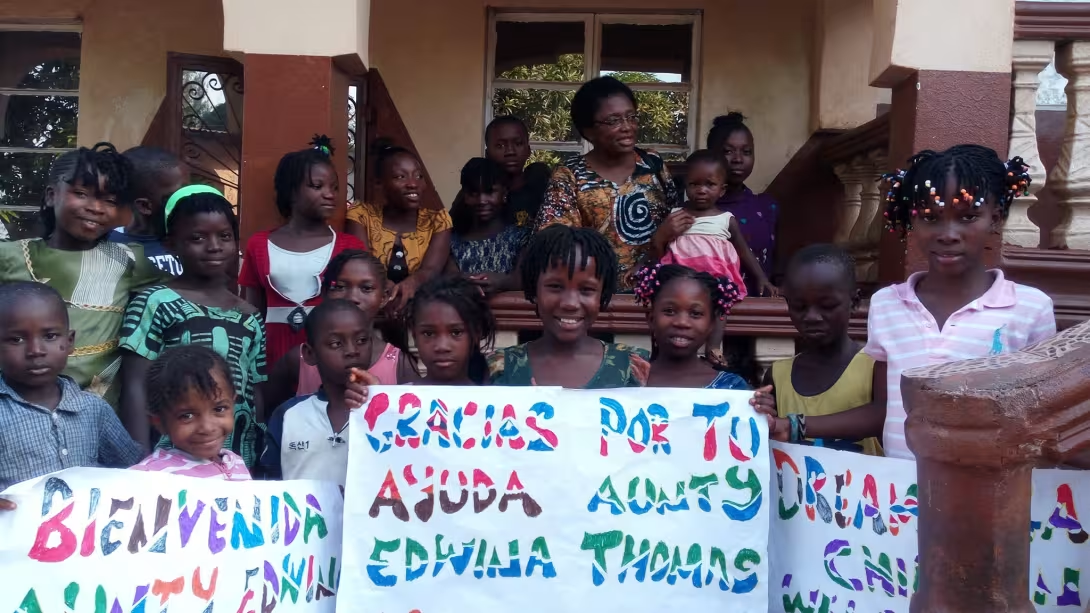
In 2014, we opened an orphanage for 22 children whose parents died of Ebola. It was the right thing to do. And it nearly broke us. |
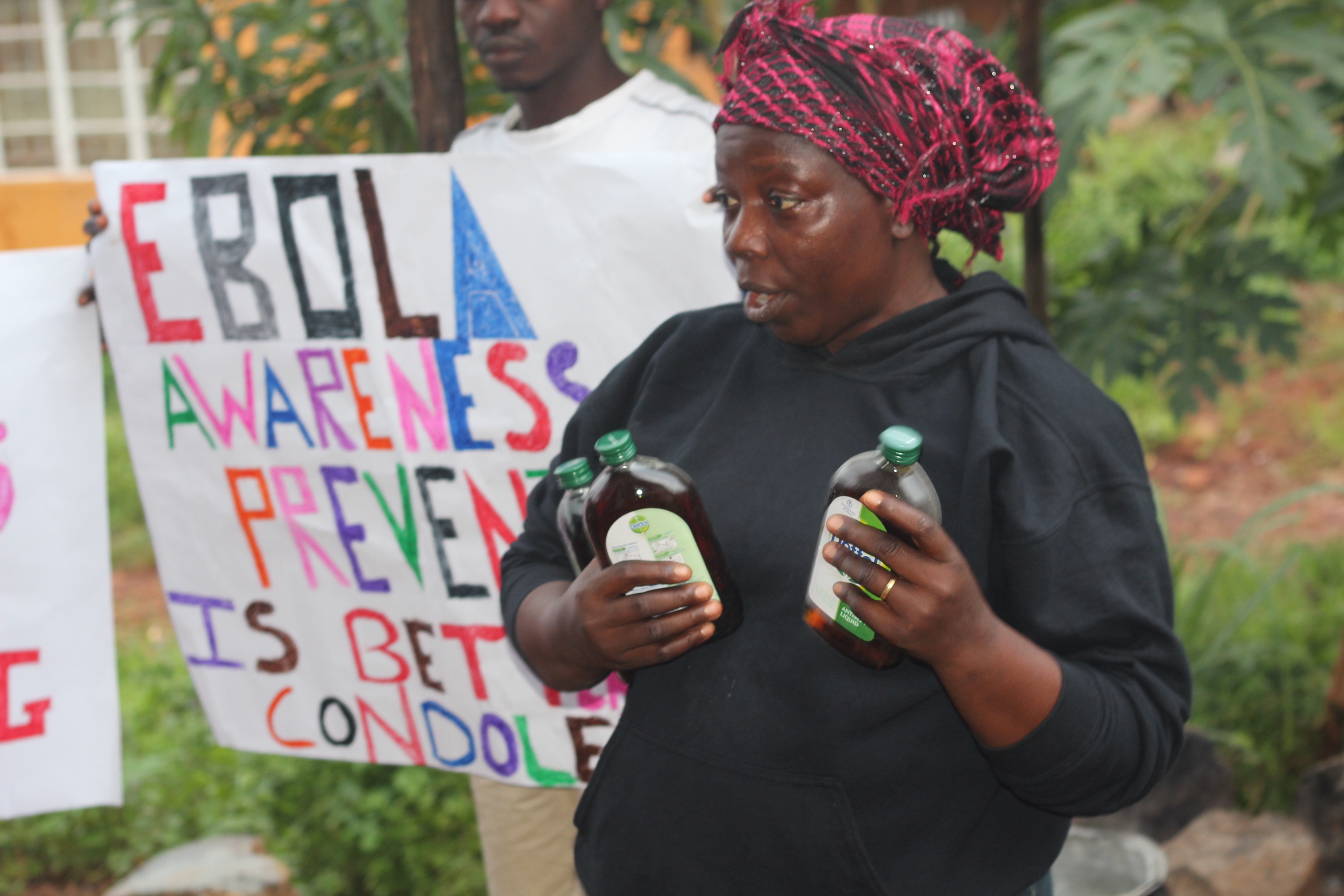
In 2014, Ebola killed the parents of children enrolled in Develop Africa’s sponsorship program.
Twenty-two children. No parents. Nowhere to go.
We stepped in. We opened an orphanage, the Dream Again Home, funded by a $30,000 GlobalGiving emergency grant. Within months, a building had been refurbished in Wellington, Freetown, and the children had a home.
At the time, it felt like the only right thing to do.
What we didn’t fully reckon with was how far outside our mission we had moved.
Develop Africa was built around education: scholarships, school supplies, computer training, and keeping children enrolled when families couldn’t cover fees. An orphanage is something else entirely. It is residential care, meals, medical checkups, psychosocial counseling, facility maintenance, and staff oversight. We didn’t have the systems for it. We didn’t have the funding consistency for it.
By August 2017, the Develop Africa board made a hard decision: a structured one-year phase-out, with every child transitioned to a family.
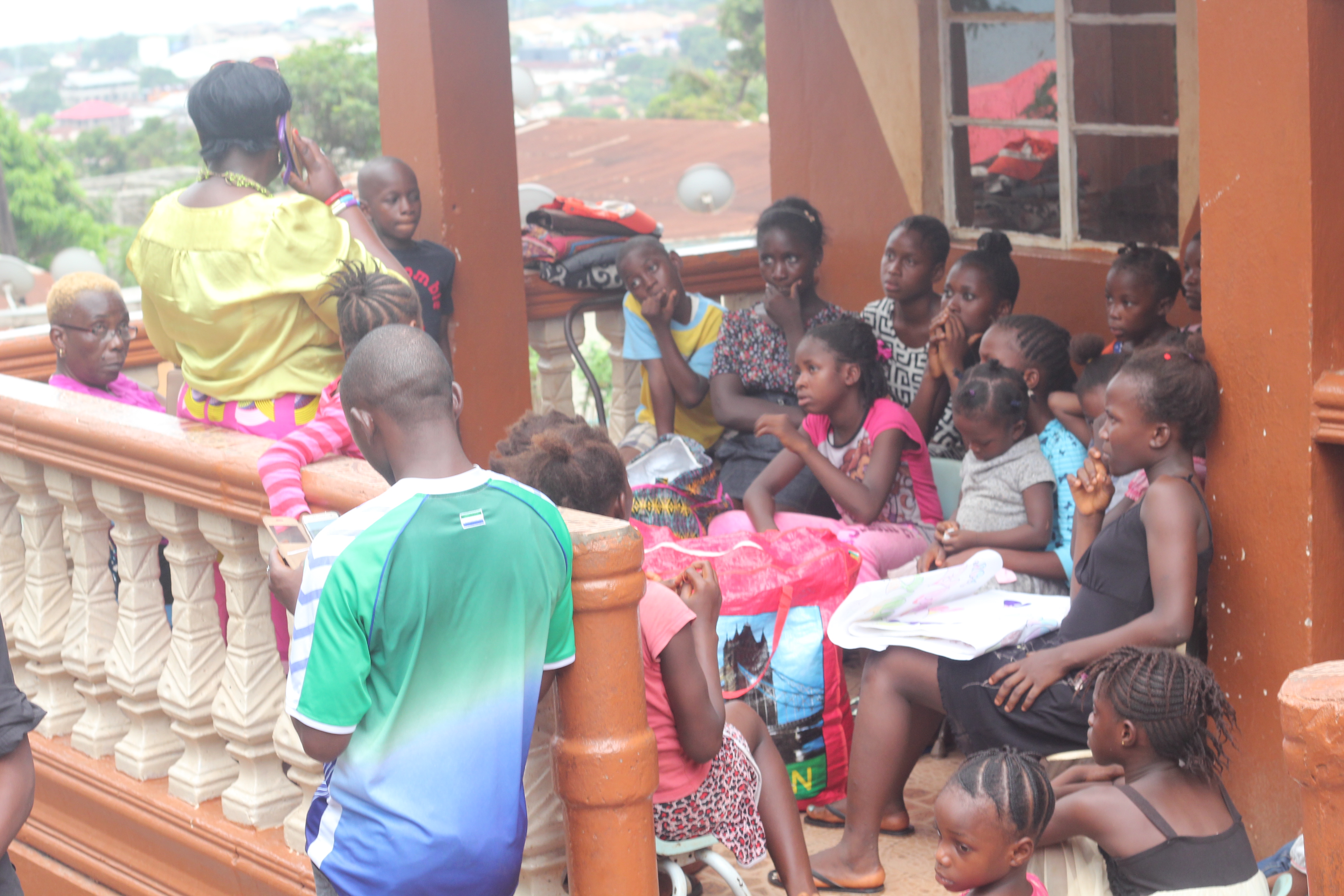
Over the following year, we executed the exit: family tracing, reunification counseling, and transition packages for each child. Eighteen of the twenty-two children were adopted into families in the United States. Several families traveled to Sierra Leone, some staying for months, to support the children while awaiting visas.
The lesson I carry from the Dream Again Home is not that we were wrong to respond. The nurse who died deserved to have someone step in for her children.
But we responded without fully answering the governance question:
"Are we the right organization to carry this, and do we have the systems to do it well?"
Compassion without capacity is not kindness. It is a risk to the people you intend to serve.
Mission clarity is not cold-heartedness. It is the discipline that protects beneficiaries from an organization’s good intentions outrunning its actual capacity.
Before expanding into adjacent programs in response to urgent need, ask three questions:
- Are we structurally equipped to do this well?
- Can we sustain the funding this requires?
- And if we cannot, do we have a plan to exit responsibly?
The answers may still lead you to say yes. But they have to be answered.
One more thing worth recording. In April 2026, as this book was being finalized, Joshua Sandy, the founder of the Dream Again Home, confirmed over WhatsApp that the home is still operational. “Dream Again Home is still in operation,” he wrote. “More kids come and go.” Children arriving as orphans and departing as adopted members of families around the world.
The building, Develop Africa refurbished in 2015, is still housing orphans in 2026. That is what enduring institutional impact looks like. Not an organization staying forever. An organization building something that continues without it.